Description
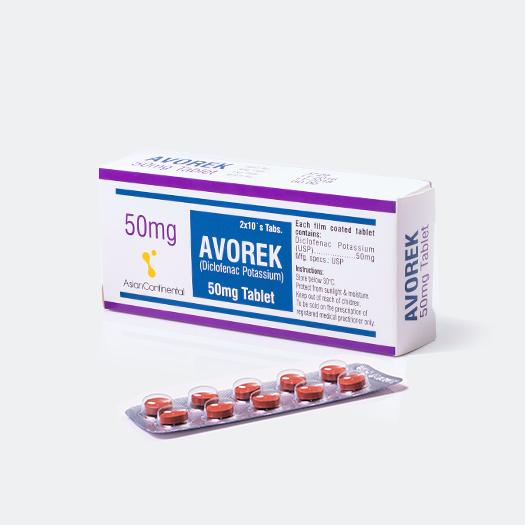
Diclofenac Potassium: Relieving Pain and InflammationDiclofenac Potassium is a nonsteroidal anti-inflammatory drug (NSAID) commonly used to manage pain and inflammation associated with various conditions. Let’s explore its uses, dosage, and precautions:
1. Indications
Diclofenac Potassium is prescribed for the following conditions:
Arthritis: It helps alleviate pain and inflammation in various forms of arthritis, including osteoarthritis and rheumatoid arthritis.
Muscle Pain: Diclofenac provides relief from muscle aches and strains.
Backaches: It can be effective in managing back pain.
Toothaches: Diclofenac helps reduce dental pain and inflammation.
Menstrual Cramps: It eases discomfort during menstruation.
2. How It Works
Anti-Inflammatory Action: Diclofenac inhibits enzymes (COX-1 and COX-2) involved in the production of inflammatory substances (prostaglandins).
Pain Relief: By reducing prostaglandin levels, it relieves pain and swelling.
3. Dosage
Adults: The usual dose is 50 mg to 75 mg twice daily.
Maximum Daily Dose: Do not exceed 150 mg per day.
Take with Food: To minimize stomach upset, take Diclofenac with food or milk.
4. Precautions and Side Effects
Stomach Irritation: Diclofenac may cause stomach ulcers or bleeding. Avoid alcohol and consult your doctor if you have a history of ulcers.
Kidney Function: Monitor kidney function, especially in older adults.
Cardiovascular Risk: Long-term use may increase the risk of heart attacks or strokes.
Allergic Reactions: Seek medical attention for any signs of allergic reactions (rash, itching, swelling).
Remember to follow your doctor’s advice and report any unusual symptoms while using Diclofenac Potassium.